
Exosome Microneedling for Skin Rejuvenation and Skin Quality

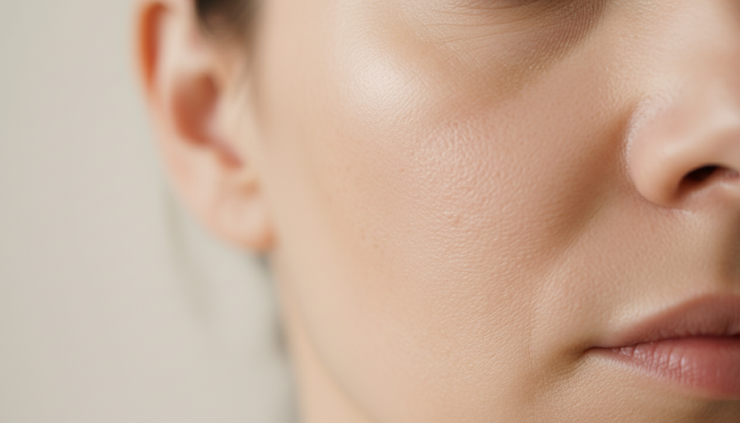
Skin ageing rarely shows up as one neat line or one isolated concern. More often, it appears as a change in skin quality: texture feels rougher, pores look more obvious, tone becomes less even, and the skin no longer reflects light in the same way.
That is why many people now look beyond a traditional facial when they want visible improvement. The aim is not simply to polish the surface for a few days. It is to support the skin’s own renewal processes so it can look smoother, firmer, brighter, and more resilient over time.
Exosome microneedling sits within this newer area of regenerative skin treatment. It combines controlled skin stimulation with a topical exosome-based formulation designed to support the skin after treatment. At clinics offering advanced skin programmes, including in and around Ringwood, this approach may be used alongside standard microneedling or radiofrequency microneedling as part of a personalised plan.
This article explains what exosomes are, why they are being paired with skin-needling treatments, what concerns they may help support, and what to know before booking.
What exosomes are and why they matter in skin care
Exosomes are tiny particles released by cells. They are often described as microscopic messengers because they help cells communicate with each other.
In the body, cells do not work in isolation. They constantly send and receive signals. Exosomes can carry proteins, lipids, and other biological messages from one cell to another. This is one reason they have attracted attention in regenerative medicine, a field that studies how tissues repair and renew.
In skin care, exosomes are being explored for their potential role in supporting the environment around ageing, stressed, or compromised skin. The idea is not that they “replace” cells or act like a filler. They are not the same as live stem cells. Instead, they are studied because of the signals they may carry and the way those signals may influence skin behaviour.
A simple way to think about it is this:
Ordinary moisturising serum
Active skin serum
Exosome-based topical treatment
Mainly works on the skin surface to hydrate, smooth, or protect.
May contain ingredients such as peptides, antioxidants, or acids that target specific surface concerns.
Designed to deliver cell-signalling components that may support recovery and renewal after a professional treatment.
That distinction matters. Exosome-based products used in clinic treatments are not ordinary cosmetic serums in a luxury bottle. They are used in a more specific context, often after procedures that create temporary channels in the skin or stimulate repair pathways.
The research field is still developing. Studies into extracellular vesicles, the wider family that includes exosomes, suggest they may have roles in tissue repair, inflammation control, and cell communication. Skin-focused use is an active area of research, and responsible clinics should explain this clearly rather than promise guaranteed outcomes.
Why skin quality changes with age
Ageing skin is not caused by a single switch being turned off. Several changes happen at once, and they affect both the surface and deeper layers of the skin.
Collagen production gradually slows with age. Collagen is one of the main structural proteins that helps skin feel firm and supported. Elastin, which helps skin spring back, also becomes less efficient over time. Skin cell turnover can slow, meaning the fresh, even-looking cells beneath the surface take longer to appear.
The skin barrier may also become less effective. When the barrier is weakened, skin can lose water more easily and may feel dry, tight, or reactive. Environmental stress plays a role too. Sun exposure, pollution, smoking, poor sleep, and long-term stress can all contribute to changes in texture, tone, and firmness.
Over time, these changes may show as:
Fine lines and wrinkles
Loss of firmness
Reduced elasticity
Crepey or thinner-looking skin
Enlarged pores
Uneven texture
Dullness
Dehydration
More visible acne scarring
A general decline in skin smoothness and glow
This is why treating one wrinkle does not always improve the overall look of the skin. A line-softening treatment may reduce movement in a specific area, but it will not necessarily improve rough texture, dehydration, enlarged pores, or acne scarring.
Skin rejuvenation works best when it looks at the skin as living tissue with several needs: structure, hydration, surface renewal, barrier support, and controlled repair.
How microneedling supports skin renewal
Microneedling uses very fine sterile needles to create controlled micro-injuries in the skin. These are tiny and deliberate. The aim is to trigger the skin’s natural repair response without causing the kind of injury associated with a wound.
When the skin repairs itself, it starts a cascade of activity. This can include the production of new collagen and other structural components in the deeper skin layer. Over a course of treatment, this may help improve the appearance of texture, fine lines, pores, and mild acne scarring.
This treatment has become well established because it works with the skin’s biology rather than simply coating the surface. It is often used on the face, neck, and décolletage, and in some cases on areas of scarring elsewhere on the body.
The controlled injury is the key. Too little stimulation may not prompt enough repair. Too much can cause unnecessary irritation or risk. This is why professional assessment matters, especially for people with pigmentation concerns, active acne, rosacea-prone skin, or a history of scarring.
A trained practitioner can adjust:
Needle depth
Treatment area
Number of passes
Spacing between sessions
Aftercare
Whether radiofrequency energy is suitable
Which topical ingredients should be used after treatment
Used carefully, Microneedling can be a useful part of a wider skin-quality programme. It is rarely about a single treatment on its own. The best results tend to come from matching the method to the skin concern and allowing time for repair.
Why radiofrequency microneedling may be used
Radiofrequency microneedling builds on the same principle, but adds heat energy below the surface of the skin.
The needles create controlled channels, while radiofrequency energy delivers heat into the deeper skin layer. This heat can cause a tightening effect in existing collagen and may also stimulate longer-term collagen remodelling.
The word “radiofrequency” can sound technical, but in this context it simply refers to a form of controlled energy used to warm tissue at a chosen depth. The practitioner controls the settings based on the person’s skin, treatment area, and goals.
Radiofrequency microneedling may be considered where concerns include:
Skin laxity
Crepey texture
Acne scarring
Enlarged pores
Uneven skin texture
Early loss of firmness along the lower face or neck
It is not suitable for everyone. People with certain implanted medical devices, active skin infections, uncontrolled inflammatory skin conditions, or specific medical histories may need to avoid it or choose another treatment. A proper consultation should always come first.
Why exosomes are combined with needling treatments
Exosome-based formulations are often applied after microneedling or radiofrequency microneedling because the skin is in a highly active repair phase.
After needling, the skin is temporarily more receptive. The microchannels created during treatment can allow selected topical products to reach the skin more effectively than they would if simply applied to intact skin. At the same time, the skin’s natural repair pathways have already been stimulated.
This is where exosome-based products are of interest. They are used to support the post-treatment environment, with the aim of helping skin look calmer, fresher, and more balanced as it recovers.
A helpful comparison is to think of the treatment in two parts:
The needling treatment
The exosome-based topical
Creates controlled stimulation and starts the repair response.
Helps support the skin environment during the recovery window.
This does not mean the exosome product does all the work. It also does not mean every skin concern needs exosomes. The value lies in the combination of controlled stimulation, careful product selection, and good aftercare.
Responsible practitioners should be clear that exosome-based skin therapy is a developing field. Early research is promising, and interest is high, but results vary. Treatment should be framed as support for skin quality, not as a cure for ageing or scarring.

What makes exosome-based treatment different from a standard facial
A facial can cleanse, exfoliate, massage, hydrate, and improve the temporary feel of the skin. Many facials are relaxing and can make the skin look brighter for a short time. They have a place in skin maintenance.
Exosome microneedling is different because it involves controlled stimulation beneath the surface. It is not mainly a pampering treatment. It is a clinical skin procedure designed to prompt repair and support longer-term changes in skin quality.
A standard facial may be useful for:
Temporary glow
Surface hydration
Light exfoliation
Relaxation
Mild congestion
Maintenance between clinical treatments
Exosome-supported needling may be considered for:
Rough or uneven skin texture
Dull or tired-looking skin
Early lines
Enlarged pores
Mild to moderate acne scarring
Loss of firmness
Crepey-looking skin
Overall decline in skin quality
The difference is not that one is “better” in every case. The difference is the goal. A facial mainly refreshes. A clinical rejuvenation treatment aims to stimulate repair and improve skin behaviour over time.
What a tailored treatment programme should include
A good skin programme starts with assessment, not a device. Skin type, skin history, previous treatments, medical background, lifestyle, and goals all influence what is safe and sensible.
At a clinic serving Ringwood and the surrounding area, a treatment plan may include standard needling, radiofrequency needling, exosome-based topical support, home skin care, and staged reviews. The exact plan should vary from person to person.
Skin consultation
The practitioner should examine the skin and ask about:
Current skin concerns
Previous aesthetic treatments
Current products and prescription creams
History of cold sores
Active acne or inflammatory skin conditions
Pigmentation tendency
Scarring history
Pregnancy or breastfeeding
Medical conditions and medicines
This step helps reduce risk and set realistic expectations.
Skin preparation
Some skin benefits from preparation before treatment. This may include gentle barrier support, daily sun protection, or pausing strong exfoliating products for a short period.
For pigmentation-prone skin, preparation can be especially important. Needling treatments cause controlled inflammation, and skin that easily develops dark marks may need a cautious approach.
Treatment session
During the appointment, the skin is cleansed and prepared. A numbing cream may be used depending on the device, depth, and treatment area. The practitioner then treats the skin in sections, adjusting settings where needed.
After treatment, an exosome-based topical product may be applied to the skin. The skin may look red, warm, or slightly swollen afterwards. This is expected after many needling procedures and usually settles.
Recovery and aftercare
Aftercare is not optional. It protects the skin while the barrier is recovering.
Typical aftercare advice may include:
Avoid makeup for the period advised by the practitioner
Avoid strong acids, retinoids, and exfoliating products until cleared
Use gentle cleanser and moisturiser
Apply broad-spectrum sun protection daily
Avoid heat exposure such as saunas or hot yoga for a short time
Do not pick or scrub the skin
Follow any cold sore prevention advice if relevant
The skin will often feel dry or tight for a few days. Some people experience mild flaking. This can be part of the normal renewal process.
What results can realistically look like
Results from regenerative skin treatments are usually gradual. That is because collagen remodelling and skin repair take time.
Some people notice an early glow once redness settles. Texture may start to feel smoother in the following weeks. Firmer-looking skin and improvement in fine lines or scarring tend to take longer because deeper repair processes are slower.
A realistic aim may be:
Skin that looks fresher and less dull
Smoother texture
Softer-looking fine lines
Less obvious pores
More even tone
Improved appearance of mild acne scarring
Better overall skin resilience
Results depend on age, skin condition, sun damage, scarring depth, lifestyle, aftercare, and the number of treatments. One session may give a visible refresh, but a course is often recommended for more meaningful change.
It is also sensible to be clear about limits. Exosome-supported needling will not produce the same effect as surgery for significant loose skin. It will not erase deep scars in one session. It cannot stop ageing. What it may do is improve the quality and behaviour of the skin when used as part of a well-planned programme.
The best measure of success is often not one line disappearing, but the skin looking healthier, smoother, and more reflective of light.
Who may be suitable for exosome microneedling
This treatment may suit people who want to improve overall skin quality rather than target only one expression line or isolated wrinkle.
It may be considered for skin that looks:
Dull
Uneven
Crepey
Dehydrated
Rough in texture
Marked by mild acne scarring
Less firm than before
More fragile or tired-looking
It may also appeal to people who prefer treatments that stimulate the skin rather than add volume.
That said, suitability is individual. Some people need to stabilise skin conditions first. Active acne, eczema flares, broken skin, infections, or recent sunburn can make treatment unsafe or unwise. People with higher risk of pigmentation changes may still be suitable, but they need careful settings, preparation, and sun protection.
Pregnancy, breastfeeding, certain medicines, immune conditions, and recent medical procedures may also affect timing. This is why a consultation matters more than choosing a treatment from a menu.
How exosome-supported treatments fit with other skin treatments
Exosome microneedling can work as part of a wider Aesthetics plan, but it should not be stacked casually with every treatment available. Skin needs recovery time.
For example, a person with dullness and rough texture may benefit from a series of needling treatments, daily sun protection, and a simple home routine. Someone with deeper acne scarring may need radiofrequency needling, staged sessions, and a longer plan. A person with pigmentation may need a more cautious route, with barrier repair and pigment control before any deeper stimulation.
Good planning avoids over-treatment. More procedures do not always mean better skin. Too much stimulation can lead to irritation, dryness, breakouts, or pigmentation problems.
A balanced programme often includes:
A clear main concern
A realistic treatment schedule
Skin barrier support
Sun protection
Review appointments
Adjustments based on response
Skin care at home also matters. Professional treatments can stimulate repair, but daily habits maintain the result. Broad-spectrum sunscreen is one of the most evidence-backed anti-ageing products available, because ultraviolet light is a major driver of premature skin ageing.

Safety, regulation, and choosing a practitioner
Any treatment that creates channels in the skin should be treated seriously. Hygiene, training, device quality, product sourcing, and aftercare all affect safety.
Before booking, it is reasonable to ask:
Who will perform the treatment?
What training have they completed?
Is the device suitable for the concern being treated?
What product will be applied after treatment?
Is the product intended for professional use?
What side effects are common?
What side effects are rare but possible?
What aftercare is required?
How many sessions are likely to be needed?
What results are realistic for this skin type?
Possible side effects can include redness, swelling, tenderness, dryness, flaking, breakouts, bruising, temporary sensitivity, infection, or pigmentation changes. Serious complications are uncommon when treatment is carried out properly, but they can happen.
The practitioner should also decline or postpone treatment when it is not appropriate. That is a sign of good clinical judgement, not poor service.
Be cautious with anyone promising instant lifting, scar removal, or permanent youthfulness. Skin biology does not work that way. Reliable treatment plans are usually measured, staged, and honest about what can and cannot be achieved.
This article is for general information only. It does not replace a consultation with a qualified practitioner or medical advice for a skin condition.
The real value is better skin quality
Exosome microneedling is gaining attention because it reflects a broader shift in skin rejuvenation. The focus is moving away from simply chasing individual lines and towards improving the condition of the skin itself.
Exosomes are tiny cell messengers being studied for their role in repair and communication. Needling treatments create controlled stimulation that prompts the skin to renew. When used together, the aim is to support a healthier-looking recovery environment and encourage gradual improvement in texture, tone, firmness, and radiance.
The most important word is gradual. Good skin rejuvenation respects the pace of the skin. It uses the right treatment at the right time, with careful aftercare and realistic expectations.
For those looking beyond a facial and wanting a more structured approach to skin quality, exosome-supported needling may be worth discussing during a professional consultation. The best results come from a plan built around the skin in front of the practitioner, not a trend, a device, or a single headline treatment.


Comments